On the first day of the workshop, lectures on the gravity and magnetic methods were delivered by Dr. Carla B. Dimalanta, while Dr. Leo P. Armada discussed the georesistivity, induced polarization, and ground penetrating radar methods. The lectures covered the theoretical basis, data acquisition, data processing and applications of each technique.
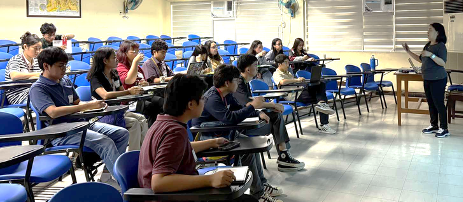
In the photo: Dr. Carla B. Dimalanta
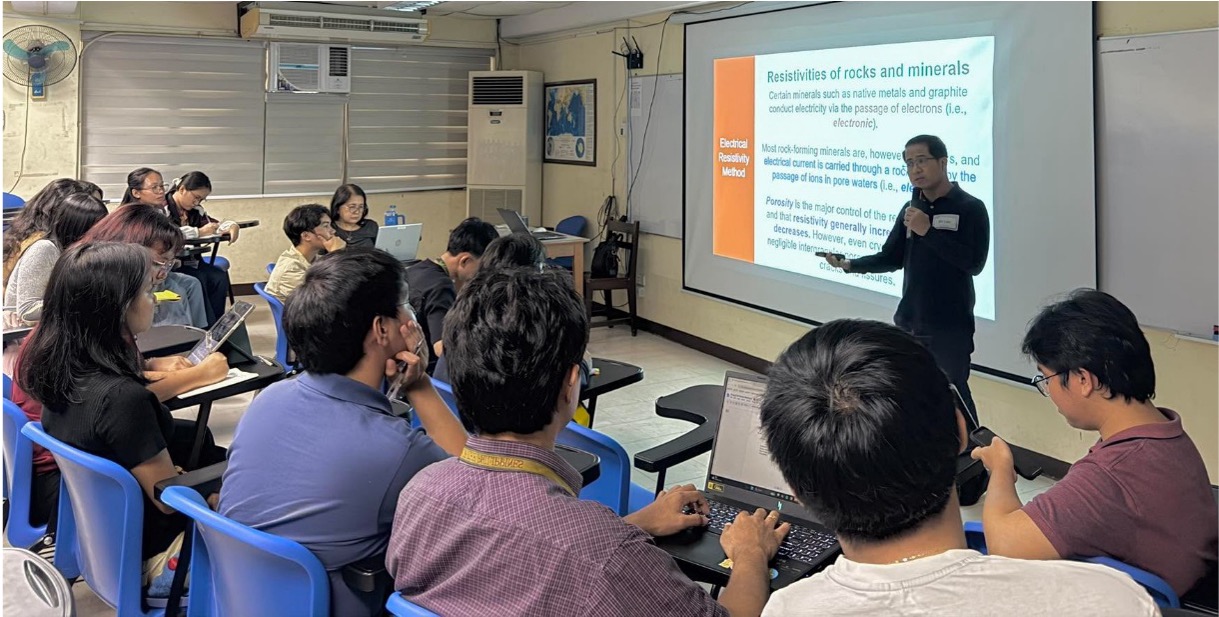
In the photo: Dr. Leo P. Armada
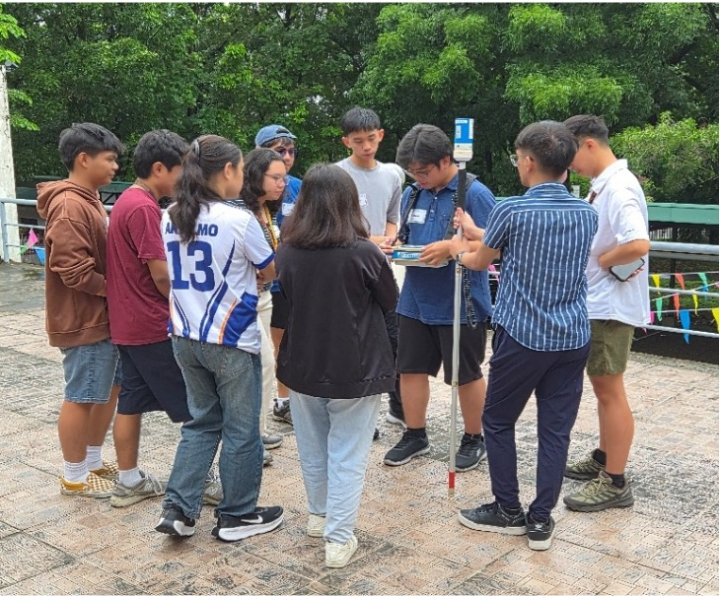
The second day of the workshop was devoted to hands-on exercises, during which participants had a chance to operate a magnetometer, an electrical resistivity meter, and a ground penetrating radar system under the guidance of the RWG staff .
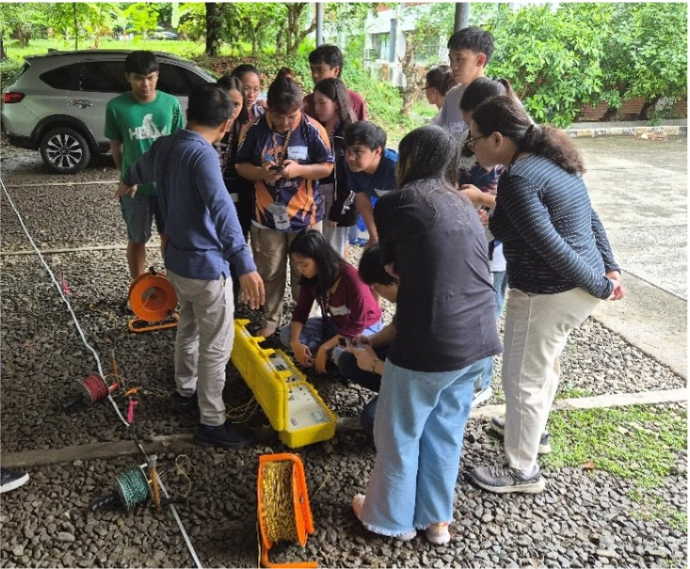
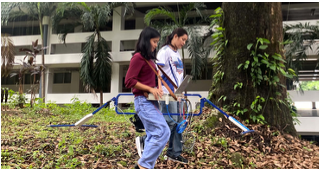
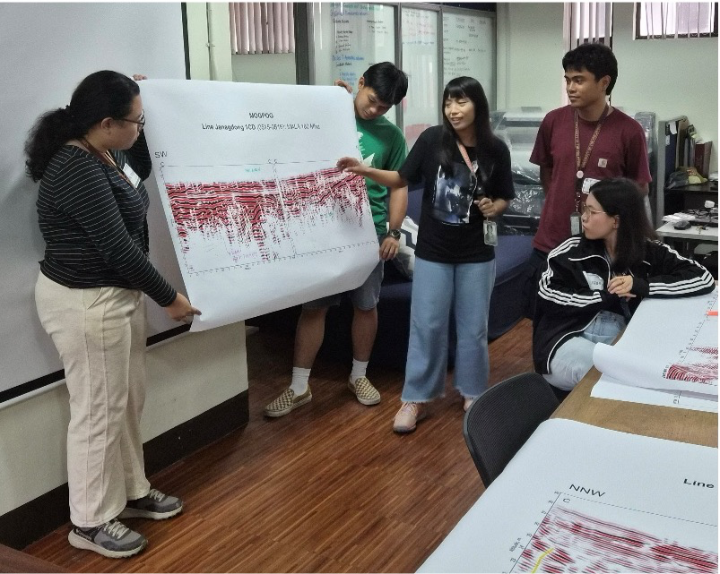
They also processed and interpreted geophysical datasets, enabling them to transform field measurements into meaningful subsurface interpretations and reinforcing the concepts discussed during the lectures.
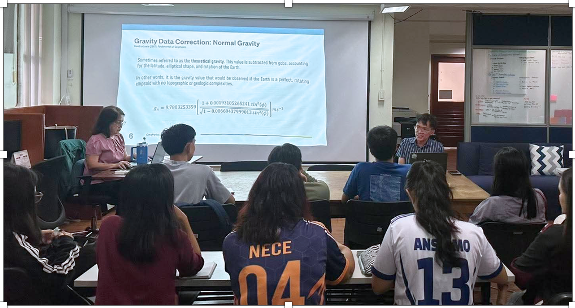
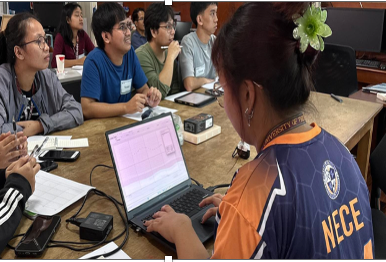
The workshop concluded with participants presenting their interpretations of geophysical data. The combination of lectures, operation of geophysical equipment, and data interpretation allowed the participants to gain a deeper appreciation of the different geophysical techniques.
The successful conduct of the workshop highlights NIGS' continuing commitment to advancing geoscience education through experiential learning and capacity-building initiatives. By providing undergraduate geology students with opportunities to work directly with modern geophysical instruments and interpret real-world datasets, the Institute helps strengthen the technical competencies of future geoscientists while promoting collaboration and knowledge exchange among higher education institutions across the Philippines.