The National Institute of Geological Sciences (NIGS) actively participated in the Nationwide Simultaneous Earthquake Drill held on 18 June 2026 at 9:00 AM, reaffirming its commitment to disaster preparedness and community safety through the continuous improvement of its emergency response systems and protocols.
Faculty members, staff, students, researchers, and visitors took part in the drill, beginning with the implementation of the “Duck, Cover, and Hold” procedure upon the sounding of the alarm. Participants then evacuated the NIGS Building in an orderly manner and proceeded to the designated assembly areas, demonstrating the Institute’s readiness to respond effectively during seismic emergencies.
To provide an objective assessment of the exercise, representatives from the UP Resilience Institute (UPRI), led by Dr. Carlos Primero D. Guandran, Division Director, together with members of the UPRI team, served as external evaluators and observers during the drill. Their participation formed part of NIGS’ efforts to ensure that emergency preparedness activities contribute meaningfully to institutional resilience and continuous improvement.
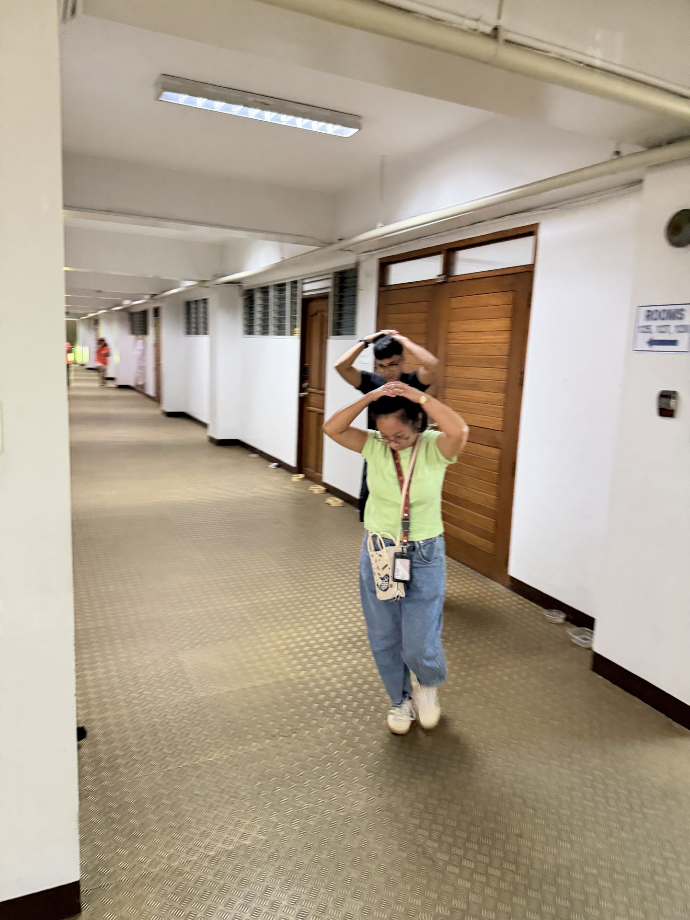
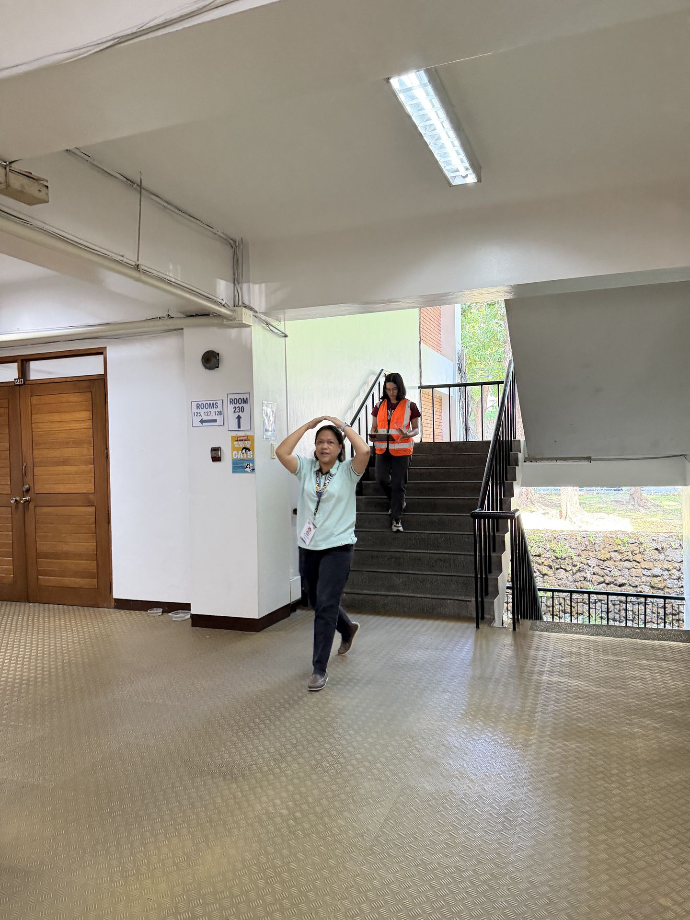
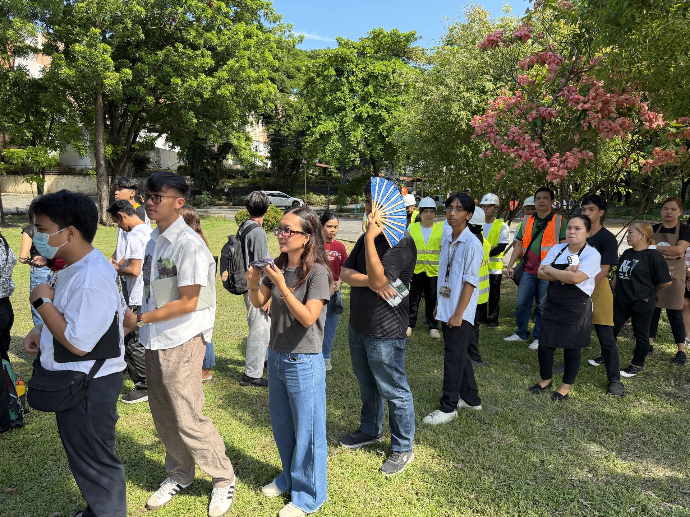
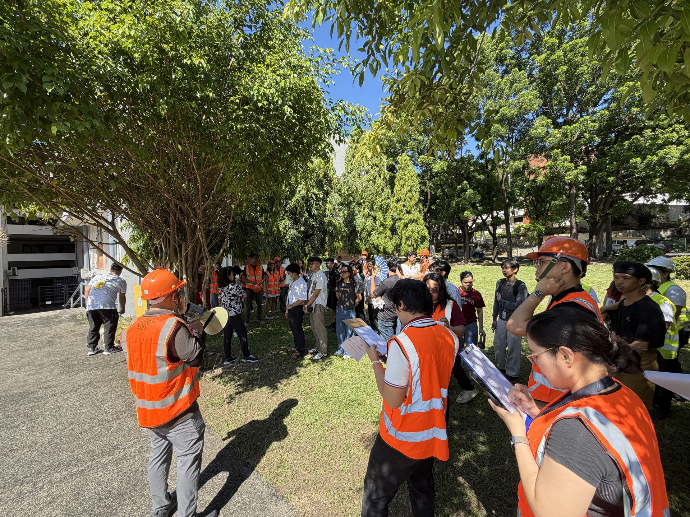
To provide an objective assessment of the exercise, representatives from the UP Resilience Institute (UPRI), led by Dr. Carlos Primero D. Guandran, Division Director, together with members of the UPRI team, served as external evaluators and observers during the drill. Their participation formed part of NIGS’ efforts to ensure that emergency preparedness activities contribute meaningfully to institutional resilience and continuous improvement.
Following the evacuation exercise, a post-drill debriefing and assessment session was conducted, during which Dr. Guandran and the UPRI team shared their observations, commendations, and recommendations for strengthening the Institute’s emergency preparedness and response mechanisms.
The UPRI team commended the NIGS community for its prompt response, orderly evacuation, and active participation throughout the exercise. They noted the community’s seriousness in carrying out the drill and its willingness to continuously improve emergency response capabilities.
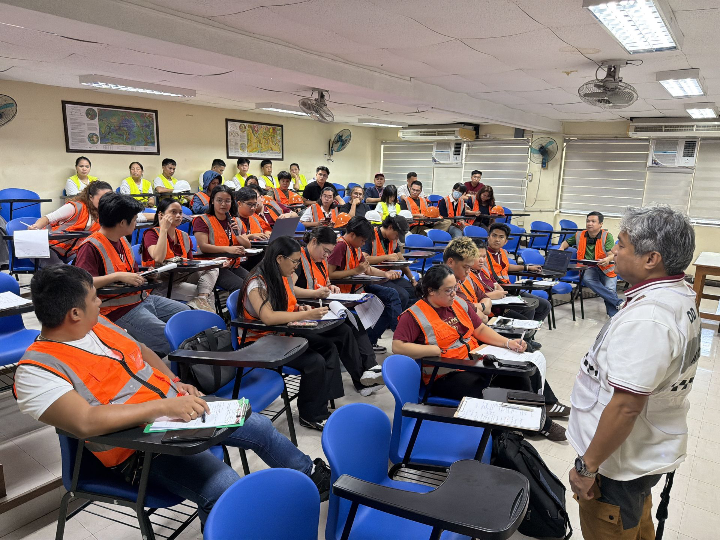
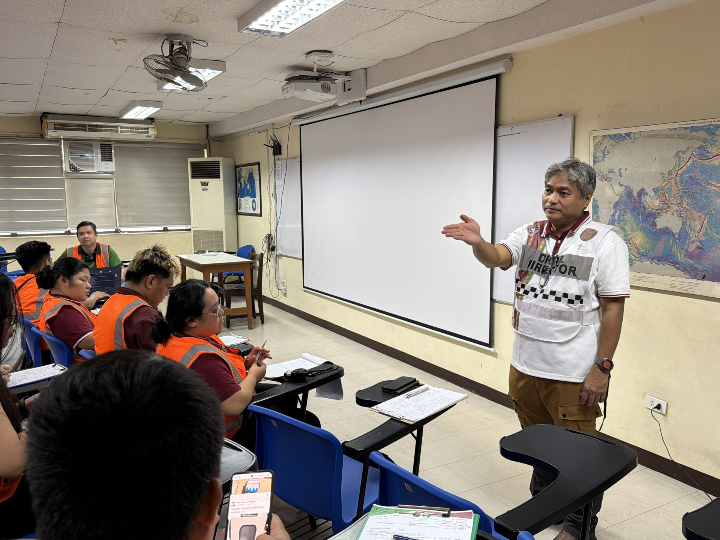
In the photo Dr. Carlos Primero D. Guandran, Division Director
Among the key recommendations raised during the debriefing was the need for clearly defined and pre-assigned marshal responsibilities. According to the evaluators, floor marshals must have designated areas of responsibility and be fully aware of the rooms, laboratories, offices, and hallways they are tasked to inspect and clear before evacuating themselves. This ensures that all areas are accounted for and that no occupants are left behind during an emergency.
The evaluators also emphasized the importance of strengthening accountability among marshals, particularly in managing evacuation flow, preventing bottlenecks along exit routes, and conducting systematic headcounts at designated assembly areas. These measures are critical in ensuring the safety of all building occupants and in verifying that everyone has safely evacuated.
In addition, the UPRI team highlighted the importance of inclusive emergency planning by identifying individuals who may require assistance during evacuations, including persons with mobility limitations and other special needs. Establishing clear assistance protocols and assigning responsible personnel are essential components of a safe and effective evacuation process.